
Categories
Market Trends, Seller Strategies, Home Buying Tips, Community Spotlights, Investment InsightsPublished January 23, 2026
Why Home Prices Didn’t Crash: The Real Story Behind Market Stability

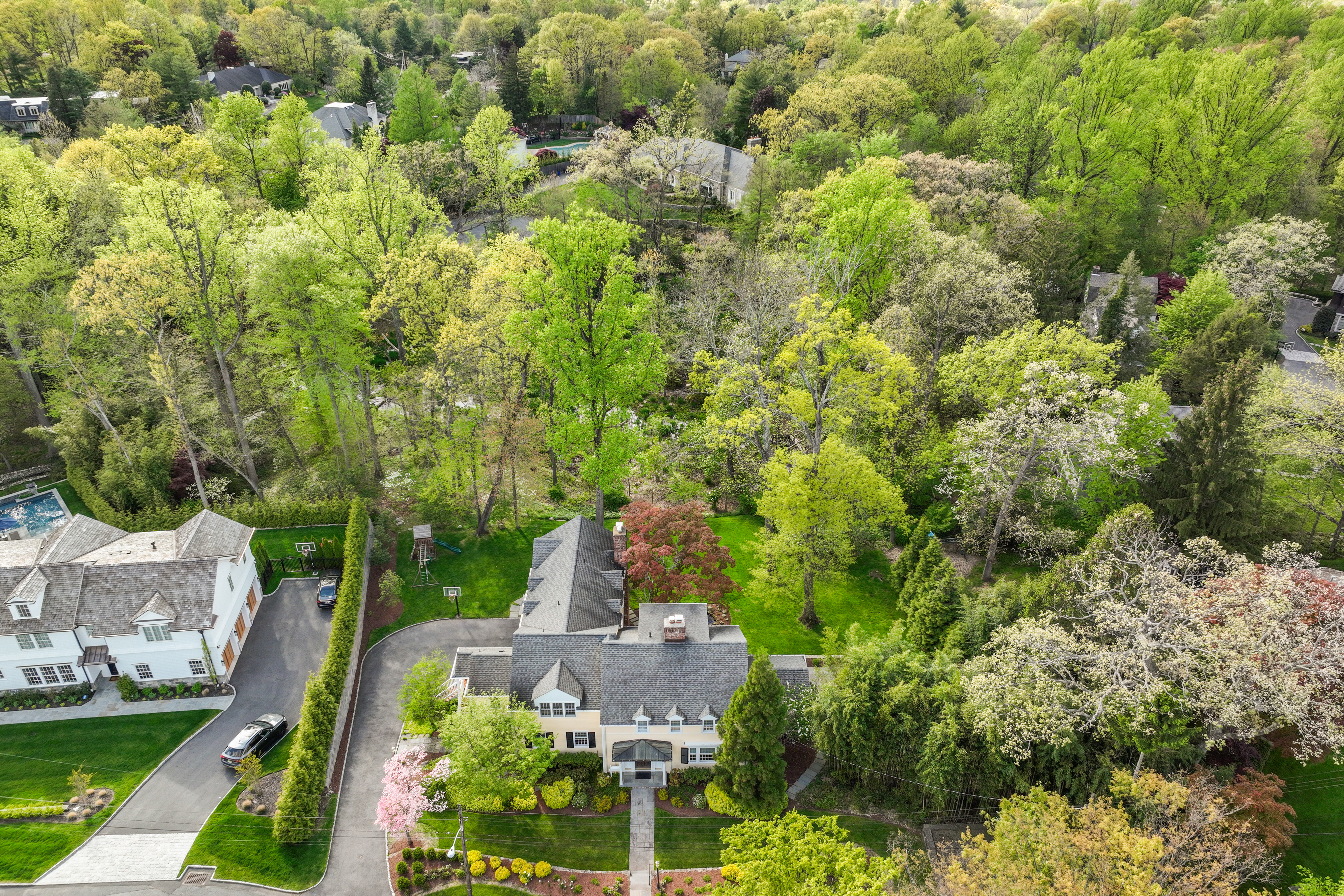
Why Home Prices Didn’t Crash: Understanding the Market’s Resilience
I often get asked, “Simon, why didn’t home prices crash like so many predicted?” It’s a great question, especially considering the media’s persistent forecasts over the past two years warning of a major price correction. Yet, instead of a crash, the market surprised many by holding steady and, in many of our key New Jersey communities, continuing to climb. To truly understand why, it helps to break down the situation into three key factors that have shaped this resilience.
First, underbuilding. For more than a decade, the construction of new homes has lagged far behind the growing demand. This isn’t just a short-term issue—it’s a chronic shortage that has been building for years. Builders have faced challenges ranging from labor shortages and rising material costs to regulatory hurdles and limited land availability. The result? There simply aren’t enough homes on the market to meet the needs of buyers. When supply is tight like this, it naturally supports price stability and even growth, because buyers are competing for fewer available properties.
Second, locked-in sellers. Many homeowners today are holding onto their properties because they secured historically low mortgage rates—often between 2 and 3 percent—during the past several years. These rates are incredibly favorable compared to today’s higher interest environment. As a result, these homeowners are reluctant to sell and give up their low-rate loans, which means fewer homes are being listed for sale. This “lock-in” effect keeps the supply of homes on the market limited, further tightening inventory and supporting home prices.
Third, millennials entering their prime homebuying years. This generation, the largest in U.S. history, is now at the stage in life where they’re forming households, starting families, and looking to upgrade from rentals or starter homes. Their strong and sustained demand adds significant pressure to the market. Millennials are competing not only among themselves but also with other buyers, including Gen X and baby boomers, for the same limited pool of homes. This heightened competition keeps prices firm and often pushes them higher.
When you combine these three factors—persistent underbuilding, sellers locked into low mortgage rates, and robust demand from millennials and other buyers—the result is a market where prices don’t crash. Instead, they stabilize and often increase. This trend is especially pronounced in premium suburbs and luxury markets, where scarcity is even more acute and demand remains strong.
If you’re curious about how these market dynamics affect your home’s value or want to explore your buying, investing or selling options, I’m here to help. Contact me for a personalized update on your home’s current market value and insights tailored to your goals.
All of us at the LuxeLife Group are committed to guiding you confidently through today’s real estate landscape. Let’s connect and make your next move a smart one.
Simon Westfall-Kwong
Branch Office Broker | Real Estate Advisor
LuxeLife Group
📞 +1 973-721-9228
📧 simon@luxeliferealestategroup.com
Follow us on Facebook and Instagram for more tips and listings!

Simon and the LuxeLife Group
| LuxeLife Real Estate Group
or another way