
Categories
Home Buying Tips, Investment InsightsPublished November 19, 2025
Investment Properties - Landlord vs. Flipping: Weighing the Pros and Cons for Real Estate Investors

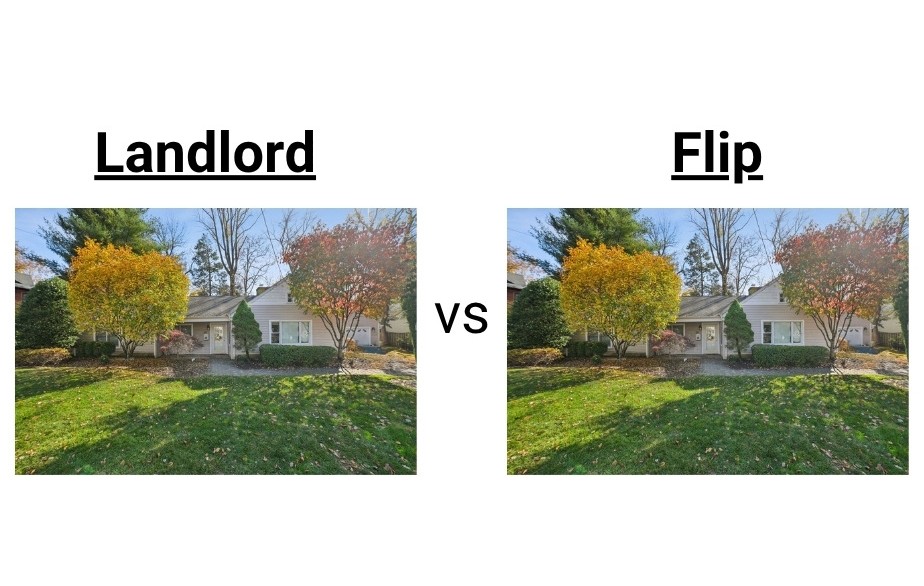
When diving into real estate investment, two popular strategies often come to the forefront: purchasing properties to become a landlord or buying homes to flip for a (hopefully) quick profit. Both approaches offer unique advantages and challenges, and understanding these can help you make informed decisions aligned with your financial goals and lifestyle. Let’s explore the pros and cons of each strategy to help you determine which path might be the best fit for your investment journey.
Becoming a Landlord: Pros and Cons
Pros:
-
Steady, Long-Term Income: Rental properties generate consistent monthly cash flow, providing a reliable income stream that can support your financial stability and help build wealth over time.
-
Property Appreciation: While you collect rent, the property itself may appreciate in value, increasing your net worth.
-
Tax Benefits: Landlords can take advantage of various tax deductions, including mortgage interest, property taxes, maintenance expenses, and depreciation, which can improve your overall return on investment.
-
Building Equity: As tenants pay down your mortgage, you build equity in the property, which can be leveraged for future investments.
-
Portfolio Diversification: Rental properties add a tangible asset to your investment portfolio, balancing risk across different asset classes.
Cons:
-
Management Responsibilities: Being a landlord requires time and effort to manage tenants, maintenance, and legal compliance. While property management companies can help, they come at a cost.
-
Vacancy Risks: Periods without tenants can impact your cash flow and profitability.
-
Market Fluctuations: Rental demand and property values can fluctuate based on economic conditions and local market trends.
-
Upfront Capital: Purchasing a rental property typically requires a significant initial investment, including down payment, closing costs, and potential repairs.
Flipping Properties: Pros and Cons
Pros:
-
Faster Returns: Flipping can yield profits within months, allowing investors to quickly reinvest capital into new projects.
-
Value Creation: Renovating and improving a property can significantly increase its market value, maximizing your return.
-
Market Agility: Flipping hones your ability to spot undervalued properties and understand buyer preferences, enhancing your market savvy.
-
Less Long-Term Commitment: Unlike rental properties, flipping doesn’t require ongoing management or tenant relations.
Cons:
-
Higher Risk: Flipping involves market timing, renovation uncertainties, and potential cost overruns, which can impact profitability.
-
Capital Intensive: Renovations require upfront cash or financing, and holding costs (taxes, insurance, utilities) accumulate during the renovation period.
-
Market Sensitivity: Flipping success depends heavily on current market conditions; downturns can delay sales or reduce profits.
-
Tax Implications: Profits from flipping are often taxed as ordinary income, which can be higher than capital gains tax rates applicable to rental properties held long-term.
Making the Right Choice for You
Your decision to become a landlord or a flipper should align with your financial goals, risk tolerance, available time, and expertise. If you prefer steady income and long-term wealth building with a hands-on or hands-off approach (via property management), rental properties may be ideal. Conversely, if you enjoy project-based work, have renovation experience, and seek quicker returns, flipping could be a rewarding path.
At LuxeLife Group, we understand that every investor’s journey is unique. With our extensive experience across New Jersey’s diverse residential and commercial markets including Jersey Shore Airbnb options, we provide tailored guidance to help you evaluate opportunities, manage risks, and maximize your investment potential.
Ready to take the next step? Reach out to John Westfall-Kwong at john@luxeliferealestategroup.com or call +1 973-315-6408. Together, we’ll craft a strategy that fits your vision and sets you up for success in the dynamic world of real estate investing.
Stay connected with LuxeLife Group on Facebook and Instagram for ongoing insights and market updates. Visit https://john.luxeliferealestategroup.com to learn more about our services and how we can support your investment goals.
Simon and the LuxeLife Group
| LuxeLife Real Estate Group
or another way